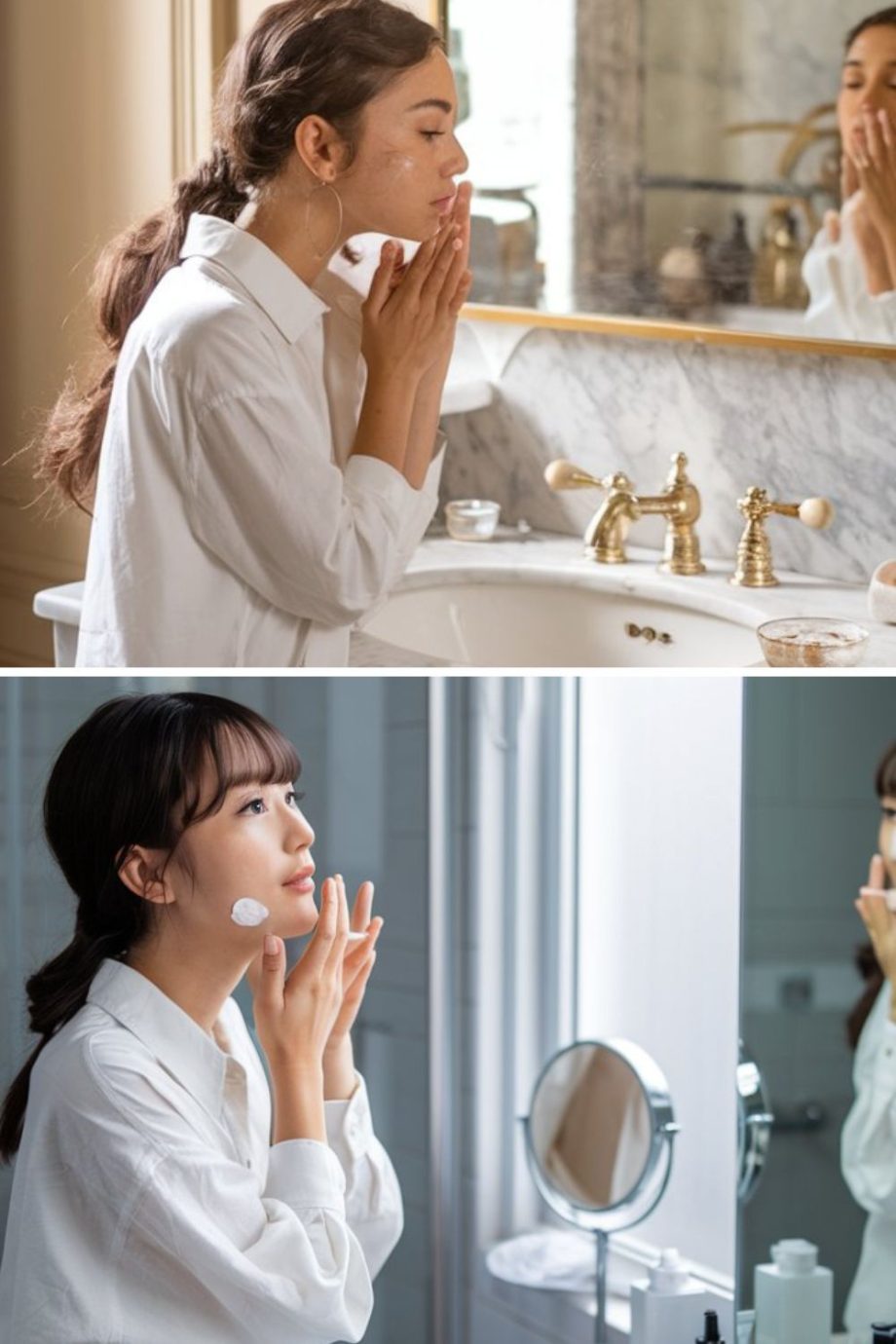
The allure of European skincare – a world where a radiant complexion is the norm, where a mere whisper of moisturizer can banish dryness, and where the concept of “glowing skin” is not just a fleeting trend, but a way of life. From the sun-kissed Mediterranean to the fjords of Scandinavia, European skincare secrets have long been coveted by beauty lovers around the globe.
And yet, despite our best efforts to replicate their regimens, many of us still struggle to achieve the same level of luminosity and longevity that seems to come so naturally to our continental counterparts.
But fear not, dear reader, for in this article, we’ll share the very best European skincare tips and tricks, and sharing them with you, so that you too can unlock the secrets to a radiant, age-defying complexion.

European Skincare Philosophy
Understanding the typical European skincare philosophy is a crucial aspect of embracing the rich skincare heritage that spans across the continent. At its core, European skincare philosophy is deeply rooted in the concept of respecting the skin’s natural barrier function and working with its innate abilities rather than against them. This approach is often referred to as “less is more,” as Europeans tend to favor gentle, nourishing products that prioritize skin health over harsh, ingredient-laden treatments.

CENTELLIAN 24 Madeca Cream Time Reverse, TECA Anti-Aging Moisturizer
Check Price on AmazonThe emphasis is on creating a balanced and harmonious relationship between the skin and the products used on it, rather than trying to force dramatic changes or quick fixes. This thoughtful approach is reflected in the use of natural ingredients, such as plant extracts and essential oils, which are carefully selected to address specific skin concerns while also promoting overall well-being.
By adopting this philosophy, Europeans have developed a reputation for having some of the healthiest and most radiant skin in the world, and it’s not uncommon to see people of all ages and skin types enjoying a glowing complexion that seems to defy the passage of time.
The Importance of Sun Protection in European Skincare
When it comes to European skincare, sun protection is a crucial step that is often overlooked by many. However, it is essential to understand the importance of sun protection in European skincare, particularly in countries that have high levels of UV radiation throughout the year.
The European Union recommends that people use a sunscreen with an SPF of at least 30 and to reapply every two hours or immediately after swimming or sweating.

La Roche-Posay Anthelios Tinted Mineral Sunscreen for Face SPF 50, Light | Broad spectrum sunscreen, antioxidants, titanium dioxide & zinc oxide. No white cast, 5 shades, oil free & oxybenzone free.
Check Price on AmazonIn addition, it is recommended to use a broad-spectrum sunscreen that protects against both UVA and UVB rays, as UVA rays can cause premature aging and skin cancer.
Furthermore, it is also important to use a lip balm with SPF and to wear protective clothing such as a wide-brimmed hat, long-sleeved shirt, and pants when spending time outdoors.
In Europe, it is common to see people wearing protective clothing and applying sunscreen regularly, especially during peak sun hours between 11am and 3pm. By taking these precautions, Europeans can significantly reduce their risk of skin damage, premature aging, and skin cancer.
Key Ingredients Popular in European Skincare Products
When it comes to European skincare, there are several key ingredients that are staples in many products. One of the most popular and effective is hyaluronic acid, a naturally occurring substance found in the body that has the ability to hold up to 1000 times its weight in water.
This makes it an excellent humectant, drawing in moisture from the air and locking it into the skin for a plumper, smoother appearance.
Another favorite among European skincare companies is glycolic acid, an alpha-hydroxy acid that gently exfoliates the skin, revealing a brighter, more even-toned complexion.
Niacinamide, a form of vitamin B3, is also a common ingredient in many European skincare products, as it has been shown to improve the appearance of fine lines and wrinkles, reduce inflammation, and strengthen the skin’s barrier function.
Meanwhile, plant extracts such as lavender, chamomile, and green tea are often used for their soothing and calming properties, helping to reduce redness and irritation.
Finally, ceramides, which are naturally occurring lipids found in the skin, are also popular in European skincare products, as they help to repair and restore the skin’s natural barrier function, leaving it feeling soft, supple, and protected.
Daily Skincare Routines Across Different European Cultures
Across Europe, daily skincare routines vary significantly from country to country, often reflecting local ingredients, traditions, and environmental factors. In Spain, for example, a morning routine typically begins with a gentle cleansing with a soap-free gel, followed by a toner to balance the skin’s pH.
A lightweight moisturizer is then applied, often containing ingredients like hyaluronic acid and glycerin to combat dry Mediterranean air. In contrast, the French tend to focus on a more luxurious approach, using rich creams and serums to nourish the skin, often incorporating products containing alpha-hydroxy acids to gently exfoliate and promote collagen production.
The Italians, meanwhile, prioritize simplicity and effectiveness, relying on a gentle cleanser, a serum rich in antioxidants, and a lightweight moisturizer to protect their skin from the sun and pollution.
In Germany, a more scientific approach is taken, with many individuals using products containing active ingredients like retinol and salicylic acid to address specific skin concerns such as acne and hyperpigmentation.
Meanwhile, the British tend to favor a more minimalist approach, using gentle, fragrance-free products to maintain a balanced skin pH and protect the skin from harsh weather conditions.
The Role of Nutrition and Hydration in Skin Health
In the realm of European skincare, it is widely acknowledged that nutrition and hydration play a vital role in maintaining healthy and radiant skin. A balanced diet rich in essential fatty acids, vitamins, and minerals is crucial for skin health. Omega-3 fatty acids, found in fatty fish, flaxseeds, and walnuts, help to reduce inflammation and promote skin elasticity.
Vitamin C, abundant in citrus fruits, berries, and leafy greens, is a powerful antioxidant that neutralizes free radicals and protects the skin from environmental damage.
Vitamin E, present in nuts, seeds, and vegetable oils, further enhances antioxidant defenses, while vitamin A, found in sweet potatoes, carrots, and dark leafy greens, supports skin cell turnover and collagen production.
Staying hydrated is essential for maintaining skin elasticity and flexibility. Adequate hydration helps to flush out toxins and waste products, reducing the appearance of fine lines and wrinkles. Aim to drink at least eight glasses of water per day, and consider incorporating hydrating foods like cucumbers, celery, and watermelon into your diet.
By prioritizing nutrition and hydration, individuals can set the stage for a healthy, glowing complexion that is well-prepared to respond to the benefits of European skincare routines.
Natural and Organic Skincare Trends in Europe
The European skincare landscape is known for its emphasis on natural and organic ingredients, and this trend shows no signs of slowing down. Consumers are increasingly seeking products that are free from harsh chemicals, artificial fragrances, and dyes, opting instead for gentle, effective formulas that work in harmony with their skin.
In response, many European skincare brands are incorporating natural actives such as aloe vera, chamomile, and green tea into their products, which are not only gentler on the skin but also offer a range of benefits including anti-inflammatory and antioxidant properties.
Organic farming practices are also becoming more widespread, with many brands sourcing organic ingredients from local farmers to ensure the highest quality and sustainability. This shift towards natural and organic skincare is particularly prevalent in countries like Germany, France, and the UK, where consumers are highly educated about the importance of ingredient transparency and are willing to pay a premium for products that meet their high standards.
As a result, the European skincare market is seeing a surge in demand for natural and organic products, with many brands reporting significant growth and expansion into new markets.
Benefits of Professional Skincare Treatments in Europe
In Europe, professional skincare treatments are highly regarded and widely sought after. One of the primary benefits is the access to advanced technology and expertise.
European skincare clinics and spas employ highly trained therapists who are well-versed in the latest skincare techniques and products. This ensures that clients receive customized treatments tailored to their specific skin concerns, whether it’s acne, aging, hyperpigmentation, or dryness.
Another significant advantage is the availability of high-quality, clinically-tested products that are often not found elsewhere. Many European skincare brands are renowned for their efficacy and are used by dermatologists and skincare professionals worldwide.
European skincare treatments often incorporate natural ingredients and holistic approaches, which can be particularly beneficial for clients with sensitive skin or those who prefer a more gentle, non-invasive approach.
Furthermore, many European skincare clinics offer personalized consultations and skin analysis, allowing clients to receive a comprehensive understanding of their skin and develop a personalized skincare plan.
With all these benefits combined, it’s no wonder that professional skincare treatments in Europe are considered a luxurious and rejuvenating experience that can leave skin looking and feeling its absolute best.